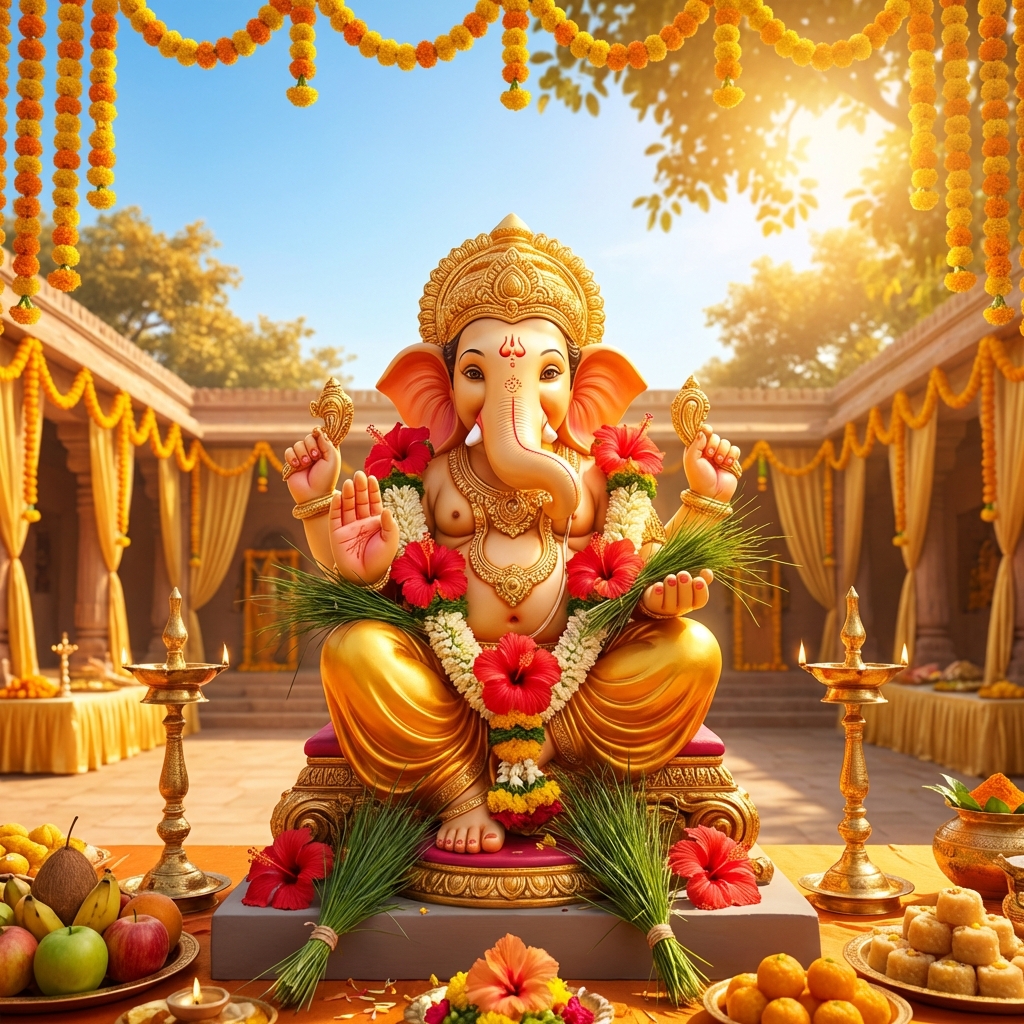
Sankashti Chaturthi 2026: Complete List with Moonrise Timings
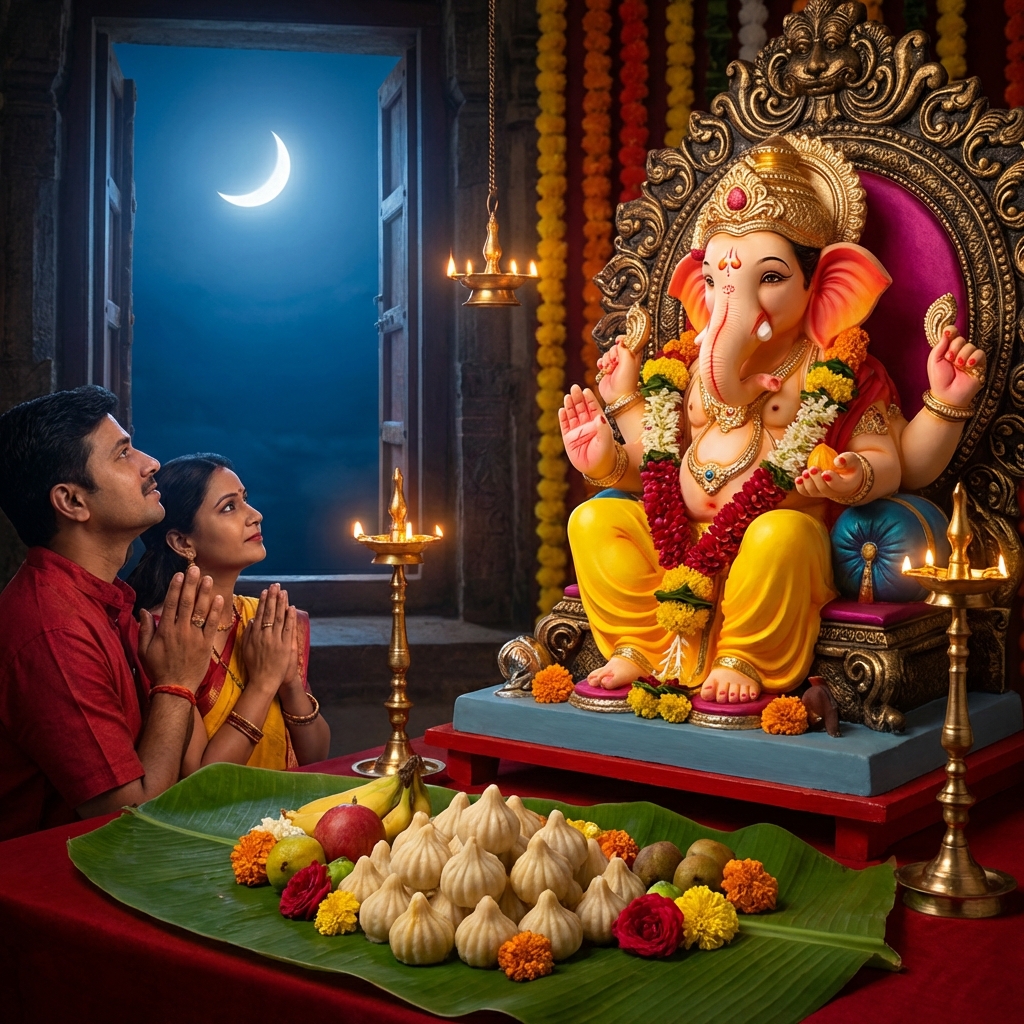
Sankashti Chaturthi 2026: The Ultimate Guide to Removing Obstacles
Sankashti Chaturthi, also known as Sankatahara Chaturthi, is one of the most powerful fasts in Hinduism dedicated to Lord Ganesha, the remover of obstacles (Vighnaharta). The word "Sankashti" comes from the Sanskrit word "Sankata," which means trouble or difficult times, and "Hara" means to remove. Thus, observing this vrat (fast) is believed to deliver devotees from all kinds of troubles, hurdles, and sorrows.
It is observed on the fourth day (Chaturthi) of the Krishna Paksha (waning phase of the moon) of every Hindu lunar month. While the Chaturthi of the Shukla Paksha (waxing phase) is known as Vinayaka Chaturthi, the Krishna Paksha Chaturthi is revered as Sankashti, which is considered even more significant for expiating sins and overcoming difficulties.
🌙 The Importance of Moonrise
Unlike Vinayaka Chaturthi, the Sankashti Chaturthi fast is incomplete without sighting the moon. Devotees must observe a strict fast throughout the day and break it only after offering Arghya (holy water) to the rising moon in the evening, followed by prayers to Lord Ganesha.
Complete List of Sankashti Chaturthi 2026 Dates
Below is the detailed calendar for Sankashti Chaturthi in 2026, including the specific name of Ganesha worshipped each month. Note that dates may vary slightly based on your location (Tithi timings), so always check our Daily Panchang for your city.
| Date | Sankashti Name | Ruling Deity & Peetha |
|---|---|---|
| Jan 06, 2026 (Tue) | Lambodara Sankashti (Angarak) | Soura Peetha |
| Feb 05, 2026 (Thu) | Dwijapriya Sankashti | Samanya Peetha |
| Mar 06, 2026 (Fri) | Bhalachandra Sankashti | Agneya Peetha |
| Apr 05, 2026 (Sun) | Vikata Sankashti | Vayavya Peetha |
| May 04, 2026 (Mon) | Ekadanta Sankashti | Aindrya Peetha |
| Jun 03, 2026 (Wed) | Krishnapingala Sankashti | Ishana Peetha |
| Jul 02, 2026 (Thu) | Gajanana Sankashti | Nairutya Peetha |
| Aug 01, 2026 (Sat) | Vibhavana Sankashti | Brahma Peetha |
| Aug 30, 2026 (Sun) | Vighnaraja Sankashti | Varuna Peetha |
| Sep 29, 2026 (Tue) | Sankatahara Sankashti (Angarak) | Kubera Peetha |
| Oct 29, 2026 (Thu) | Karwa Chauth (Vakra Tunda) | Chandra Peetha |
| Nov 27, 2026 (Fri) | Ganadlupa Sankashti | Soma Peetha |
| Dec 27, 2026 (Sun) | Akhuratha Sankashti | Surya Peetha |
Mythology: Why Ganesha is Worshipped on Chaturthi details
There are several legends associated with Sankashti Chaturthi, but two are most prominent:
1. The Curse of the Moon (Chandra)
Legend has it that one night, Lord Ganesha was returning home on his mooshak (mouse) after a heavy meal of modaks. Suddenly, a snake crossed their path, frightening the mouse. Ganesha fell off, and his belly burst open. The Moon God (Chandra), watching from the sky, laughed at Ganesha’s predicament.
Angered by Chandra's arrogance and vanity, Ganesha cursed him, saying, "You, who are so proud of your beauty, shall vanish! Whoever looks at you on Chaturthi shall face false accusations (Mithya Dosha)."
The moon disappeared, and the world was plunged into darkness. The gods pleaded with Ganesha to forgive Chandra. Ganesha, though unable to revoke the curse entirely, modified it: The moon would wax and wane, and looking at it on Vinayaka Chaturthi (Shukla Paksha) would still bring bad luck. However, worshipping Ganesha on Sankashti Chaturthi (Krishna Paksha) and offering Arghya to the moon would start removing the curse and all obstacles from one's life.
2. Shiva and Parvati playing Chaupar
Once, Lord Shiva and Goddess Parvati were playing a game of Chaupar. Since there was no referee, they created a clay boy and breathed life into him to judge the game. The boy, in confusion, unfairly declared Shiva the winner even when Parvati won. Enraged, Parvati cursed the boy to become a cripple and live in a muddy ditch.
Years later, some celestial nymphs (Apsaras) told the boy to observe the Sankashti Chaturthi Vrat to please Lord Ganesha. He did so with devotion, and Ganesha cured him instantly. This established the fast as the ultimate remedy for physical and situational suffering.
What is Angarak Chaturthi?
When Sankashti Chaturthi falls on a Tuesday, it is called Angarak Chaturthi (or Angarki). "Angarak" refers to Mars (Mangal), the planet of energy, aggression, and courage.
According to legend, Mangal Dev (Planet Mars) performed intense penance to please Lord Ganesha. Delighted, Ganesha granted him a boon that whoever worships Ganesha on a Tuesday falling Chaturthi would be freed from all debts, blood-related diseases, and legal troubles. It is considered the most powerful of all Sankashti days.
Detailed Puja Vidhi (How to Fast and Worship)
Observing Sankashti Chaturthi requires physical purity and mental devotion. Follow this step-by-step guide:
Morning Rituals
- Brahma Muhurat: Wake up before sunrise and take a holy bath. Add a pinch of sesame seeds (til) to the water for purification.
- Sankalp (Vow): Stand before your home altar, hold some water and flowers in your hand, and take a vow: "O Lord Ganesha, I shall observe a fast today to remove my obstacles. I will break it only after sighting the moon."
- Altar Preparation: Clean the puja area. Place a clean yellow or red cloth on a platform and install an idol or picture of Lord Ganesha.
Evening Rituals (The Main Puja)
The main puja is performed in the evening, during Pradosh Kaal or just before moonrise.
- Invocation: Light a ghee lamp (diya) and incense sticks. Offer kumkum (vermilion) and chandan (sandalwood paste) to Ganesha.
- Durva Grass: Use 21 blades of Durva grass (scutch grass). This is Ganesha's favorite offering. Dip them in water and sprinkle it over the idol, or place them on his head.
- Naivedya (Food Offering): Offer 21 Modaks (steamed dumplings) or Laddoos. Ganesha is "Modakpriya." You can also offer bananas, coconut, and jaggery.
- Flowers: Offer red hibiscus flowers (Japa Kusuma), as Ganesha loves the color red.
- Chanting: Recite the Ganesha Atharvashirsha, Sankat Nashan Ganesh Stotram, or simply chant "Om Gam Ganapataye Namaha" 108 times.
Moon Worship (Chandra Arghya)
After the puja, wait for the moon to rise. (Check our Daily Panchang for exact moonrise times).
- Take a copper vessel with water, milk, and a white flower.
- Look at the moon (or the direction of moonrise if cloudy) and pour the water slowly as an offering.
- Pray: "O Lord of the Night, O coolness incarnate, accepted this water offered by me."
- After the offering, you can break your fast with the prasad (Modak) and sattvic food (fruits, milk, sabudana khichdi).
Benefits of Observing Sankashti Vrat
- Removal of Obstacles: Whether it's a stalled promotion, a delayed marriage, or a visa issue, this vrat is the specific remedy for "Vighna" (hurdles).
- Ketu Dosha Remedy: In Vedic Astrology, Ganesha is the presiding deity of Ketu. Fasting on this day pacifies the malefic effects of Ketu (confusion, detachment, loss).
- Mental Peace: The moon rules the mind. Fasting and worshipping the moon stabilizes emotions and cures anxiety and depression.
- Education and Wisdom: Students seeking focus and memory power should observe this fast, as Ganesha is Buddhi Pradayaka (Giver of Intellect).
Ganesha Mantras for Success
Chant these powerful mantras during the day:
"Vakratunda Mahakaya Surya Koti Samaprabha
Nirvighnam Kuru Me Deva Sarva Karyeshu Sarvada"
(O Lord with the curved trunk and immense body, whose brilliance rivals a crore suns, please remove all obstacles from my path always.)
Conclusion
Sankashti Chaturthi is not just a ritual; it is a spiritual discipline that aligns your mind (Moon) with divine wisdom (Ganesha). By observing this fast in 2026, you invite prosperity, clarity, and success into your life. May Lord Vighnaharta remove all hurdles from your path!
Related Blog Posts
- Vinayaka Chaturthi 2026 Dates - The Shukla Paksha Chaturthi fast.
- Ekadashi 2026 Dates - The supreme fast of Lord Vishnu.
- Pradosh Vrat 2026 Dates - For Lord Shiva's blessings.