Karwa Chauth 2026 Moonrise Time (City-wise List) & Puja Muhurat
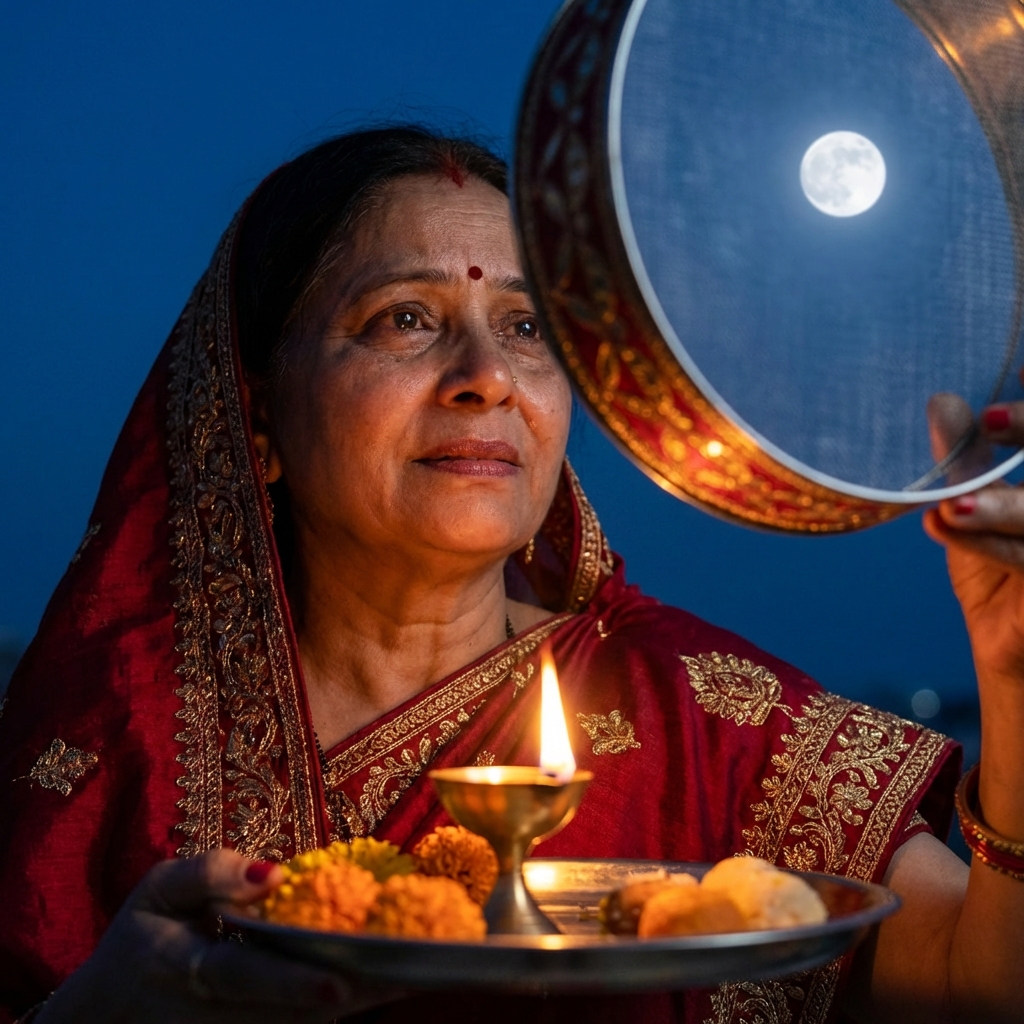
Karwa Chauth 2026: Complete Moonrise Time List & Sacred Vrat Guide
The night before Karwa Chauth, millions of married women across India quietly set their alarms for the pre - dawn hours.The sacred ritual of Sargi — a meal eaten before sunrise — marks the beginning of the most intense fast in the Hindu calendar.In 2026, this ancient festival falls on Thursday, October 29 , and astronomical calculations reveal an exceptionally late moonrise that will test the devotion of fasting wives like never before.
Unlike ordinary fasts broken at sunset, Karwa Chauth demands absolute abstinence from food and even water(Nirjala Vrat) from sunrise until the moon appears in the night sky.The moon is not just a celestial marker — it is the divine witness to a wife's prayer for her husband's longevity and prosperity.
In 2026, Karwa Chauth is observed on October 29(Thursday) .
Moonrise Time 2026
The exact moment of moonrise varies by geographic location.Below is the precise moonrise timing for major Indian cities on October 29, 2026. Women should look for the moon approximately 5 - 10 minutes after the listed time to ensure it is clearly visible above the horizon.
| City | Moonrise Time | Zone |
|---|---|---|
| Kolkata | 09:00 PM | East |
| Lucknow | 09: 25 PM | North |
| Chennai | 09: 32 PM | South |
| Ghaziabad | 09: 38 PM | North |
| Hyderabad | 09: 38 PM | South |
| New Delhi | 09: 39 PM | North |
| Noida | 09: 39 PM | North |
| Chandigarh | 09: 40 PM | North |
| Gurgaon | 09: 40 PM | North |
| Bengaluru | 09: 44 PM | South |
| Ludhiana | 09: 44 PM | North |
| Jaipur | 09: 46 PM | North |
| Amritsar | 09: 48 PM | North |
| Pune | 09: 57 PM | West |
| Mumbai | 10:01 PM | West |
| Ahmedabad | 10:01 PM | West |
Why is the Moon Late in 2026 ?
Karwa Chauth 2026 coincides with Kartik Krishna Chaturthi(the 4th day of the waning moon in the month of Kartik).Due to the moon's specific orbital position and declination on this date, it rises significantly later than in previous years. The moon will be in a specific nakshatra that places it below the horizon for most of the evening, creating this delayed visibility.
"The moon's late arrival is not inauspicious — it is a test of patience and devotion. The longer the wait, the greater the blessing." — Ancient Vrat Katha
The Sacred Rituals of Karwa Chauth
1. Sargi: The Pre - Dawn Meal
Sargi is traditionally prepared and sent by the mother -in -law.It must be consumed before sunrise(04: 48 AM in 2026).The meal typically includes:
- Fenia(Sweet Vermicelli): For sweetness in married life
- Dry Fruits & Nuts: Almonds, cashews for sustained energy
- Fresh Fruits: Apples, bananas for hydration
- Mathri or Parathas: Complex carbohydrates to prevent hunger pangs
- Water / Milk: Essential hydration (no water allowed after sunrise)
💡 Modern Sargi Tip
If you live in a nuclear family without a mother -in -law nearby, it is perfectly acceptable to prepare your own Sargi or have your mother send it.The ritual's essence is the blessing, not the sender's identity.
2. The Solah Shringar(16 Adornments)
Karwa Chauth is the only day when married women adorn themselves as elaborately as on their wedding day.The 16 traditional adornments include:
- Bindi(Forehead Mark)
- Sindoor(Vermillion)
- Necklace & Mangalsutra
- Earrings
- Bangles or Chura
- Mehendi(Henna on Hands)
- Nose Ring
- Anklets
- Toe Rings
- Traditional Red / Maroon Saree or Lehenga
3. The Evening Puja(05: 40 PM - 06: 56 PM)
Women gather in groups(traditionally at the eldest woman's home) to perform the collective puja. The rituals include:
- Karwa(Pot) Worship: The earthen pot symbolizes abundance and fertility
- Vrat Katha: The sacred story of Queen Veervati is narrated
- Thali Exchange: Women pass decorated thalis in a circle while singing folk songs
- Mehendi Display: Comparing henna designs (darker color = deeper love!)
4. Moon Worship & Breaking the Fast
Once the moon rises(check table above for your city), the final ritual begins:
- Sieve Viewing: The wife looks at the moon through a decorated sieve (Channi)
- Arghya: Water is offered to the moon from a specially prepared vessel
- Husband's Blessing: The wife then views her husband through the same sieve
- First Water: The husband offers the first sip of water to his wife
- First Morsel: He then feeds her the first bite of food (usually something sweet)
⚠️ Critical: Cloudy Sky Protocol
If clouds obscure the moon at your location:
- Confirm the exact moonrise time from the table above
- Wait 10 minutes past the listed time
- You may then perform the puja facing the direction of the moon(East to Southeast)
- Some traditions allow worshipping a drawing or picture of the moon
- Call a friend / relative in a nearby city with clear skies for real - time confirmation
The Legend: Why We Fast on Karwa Chauth
The Story of Queen Veervati
The most famous Karwa Chauth legend tells of a beautiful queen named Veervati, the only sister to seven loving brothers.On her first Karwa Chauth after marriage, she observed the strict fast but grew weak by evening due to thirst.
Unable to see their sister suffer, her brothers created a false "moon" by reflecting candlelight through a mirror in a pipal tree.Convinced the real moon had risen, Veervati broke her fast.The moment she took the first sip of water, a messenger arrived with devastating news: her husband, the king, had died.
Heartbroken and desperate, Veervati pleaded with Goddess Parvati, who appeared and revealed the deception.Moved by Veervati's devotion, Parvati granted her a boon: the king would be revived, but Veervati would have to observe Karwa Chauth correctly for the next year with unwavering discipline.
Veervati followed every ritual perfectly the next year, and her husband was restored to life and blessed with longevity.
This legend underscores the power of a wife's devotion and the importance of completing the vrat only after sighting the actual moon.
Frequently Asked Questions(FAQs)
1. Can unmarried or engaged women observe Karwa Chauth ? ▼
Traditionally, Karwa Chauth is observed only by married women for their husband's longevity. However, modern interpretations vary:
- Engaged Women: Some keep the fast for their fiancé's well-being, especially if marriage is within a few months
- Unmarried Women: Orthodox tradition says no, but some young women fast for a future good husband
- Regional Variations: In Punjab and parts of North India, it is more flexible
Consult your family elders for guidance based on your community's customs.
2. What if I am pregnant or menstruating ? ▼
Pregnancy: Nirjala (waterless) fasting is NOT recommended if you are pregnant, especially in the first trimester or if you have complications. You can:
- Observe a partial fast(eat fruits, milk, no grains)
- Drink water but avoid food
- Skip the fast entirely with your doctor's approval (your baby's health is paramount)
Menstruation: Some orthodox families prohibit fasting during periods, while others allow it. The decision is personal and based on your comfort and tradition.
3. Can I drink water if I have a medical condition ? ▼
Absolutely yes. If you have diabetes, kidney issues, hypertension, or any condition requiring regular hydration/medication:
- Take your prescribed medicines with water on schedule
- Drink water as needed (avoid dehydration headaches)
- Consider a "Phalahar"(fruit - based) fast instead of Nirjala
Your health is more sacred than ritual rigidity.Even Hindu scriptures say "Arogya Param Dharma"(Health is the supreme duty).
4. What if my husband is traveling or working night shift ? ▼
If your husband cannot be physically present:
- Perform the moon worship alone and break your fast
- Have a video call with your husband after seeing the moon(modern adaptation!)
- Take the first sip of water while thinking of him
- Feed the first morsel to his photograph if needed
The ritual's essence is love and devotion — proximity is secondary.
5. Do widows or divorced women observe Karwa Chauth ? ▼
Traditionally, no — because the vrat is for a living husband's longevity. However:
- Widows: Some choose to fast for their children's well-being or observe a partial fast in memory of their late husband
- Divorced / Separated: Not customary, but some modern women reinterpret it as a fast for self-love and independence
There is no universal rule — follow your heart.
6. What foods should I avoid after breaking the fast ? ▼
After 12 + hours of fasting, your digestive system is sensitive.Avoid:
- Heavy fried foods: Can cause acidity or stomach pain
- Carbonated drinks: Bloating and gas
- Too much sugar: Sudden glucose spike can cause dizziness
Best First Foods: Coconut water, sweet lassi, kheer (rice pudding), or plain rice with dal.
💝 Modern Karwa Chauth: A Note for Husbands
While traditional customs place the burden of fasting solely on wives, modern couples are redefining Karwa Chauth.Many husbands now:
- Join the fast in solidarity
- Plan surprises and romantic gestures
- Share household duties for the day
- Express gratitude beyond ritual
Conclusion
Karwa Chauth is more than a ritual — it is a living testament to love, sacrifice, and faith.The 2026 celebrations bring a unique challenge with the late moonrise, but this only deepens the spiritual significance.Whether you observe the fast with orthodox rigor or adapt it to modern realities, the essence remains: celebrating the bond between husband and wife.
Mark your calendars for October 29, 2026 , set your alarm for Sargi, bookmark this page for moonrise times, and prepare for a day of devotion, beauty, and unbreakable love. May the moon bless all married couples with longevity, prosperity, and eternal togetherness.
🌙 Karwa Chauth Ki Shubhkamnayein! 🌙